
Choosing the right school chairs is more than just a practical decision; it’s an investment in the health, focus, and learning experience of your students. Whether you’re furnishing a new classroom, upgrading your current setup, or sourcing chairs for an entire school, it’s crucial to get it right.
In this guide, we’ll walk you through the key factors to consider when purchasing school chairs, enabling you to make an informed and confident decision.

1. Understand the Needs of Your Students

Different age groups and classroom settings require different types of seating. Choosing the right style, size, and material based on the age and activity of the students will help create a more supportive, comfortable, and effective learning environment.

Nursery & Early Years

At this developmental stage, children require chairs that are proportionate to their size to support their movement and independence. Look for:

  • Low seat heights that allow feet to touch the floor easily
  • Rounded edges and safe, non-toxic materials
  • Lightweight but stable frames so chairs are easy for young children to move
  • Bright, inviting colours that complement nursery settings and encourage engagement


These chairs also need to be easy to clean, as spills and messes are part of daily life in
early years settings.

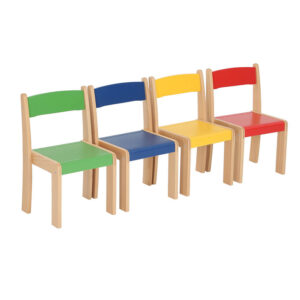
The Beechwood Stackable Chairs are ideal for early years and nursery environments thanks to their child-friendly sizes, sturdy beechwood construction, and ergonomic design that supports healthy posture. With smooth, rounded edges and vibrant colour options, they’re both safe and visually stimulating for young children. Stackable for easy storage and wipe-clean for hygiene, they offer a practical, space-saving solution that meets the needs of busy nursery settings.

Primary School

For primary-aged children, maintaining correct posture and comfort becomes increasingly important as they spend longer periods sitting and focusing. The ideal chair for this age group should offer:

  • Age-appropriate seat heights (typically ranging from 310mm to 380mm)
  • Ergonomic back support to encourage good posture habits
  • Durable and easy-clean materials such as polypropylene
  • Stackability, especially in multi-use spaces like halls or art rooms


Chairs with anti-tilt legs or
skid bases can also help promote classroom safety and minimise distractions caused by tipping.

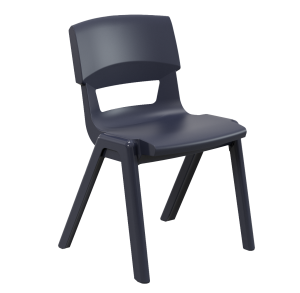
The Postura Plus Chair is ideal for primary school classrooms due to its ergonomic, one-piece polypropylene design, which supports good posture and concentration through a curved backrest and waterfall seat edge. Available in six sizes and a wide range of vibrant colours, it ensures a comfortable fit for children aged 5–11 while offering visual appeal.

Secondary School & Beyond

Older students require chairs that accommodate larger body sizes and longer sitting periods, especially in study halls, science labs, and ICT suites. Consider:

  • Strong, reinforced frames for heavier daily use
  • Flexible backrests or cantilever designs to support natural movement
  • Stacking ability or nesting options for easy storage
  • Chairs that align with specific subject needs, such as lab stools or ICT chairs with castors and adjustable height


Style also becomes a consideration at this stage. Sleek, more adult-looking designs can help create a mature, respectful learning atmosphere.

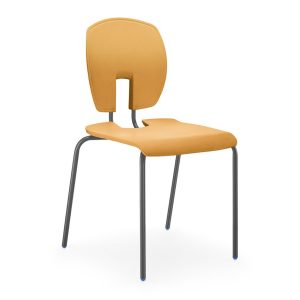
The SE Curve Chair is a great secondary school furniture option for older students, thanks to its comfortable, supportive shape that promotes good posture during long lessons. Its modern design, adult-size seat heights, and calm colour options make it ideal for classrooms, study areas, or exam halls. Easy to stack, simple to clean, and built to last, it’s a smart, reliable choice for everyday school use.

Exam Furniture

During exams, students need to sit for long periods in a quiet, structured environment, so the furniture must be:

  • Lightweight and portable, allowing for quick and easy setup
  • Stackable chairs or folding chairs for compact storage when not in use
  • Stable and supportive, with anti-tilt features to reduce movement
  • Compatible with folding exam desks or traditional table setups
  • Compliant with spacing regulations for formal exam environments


Consider linking chairs if you need to organise rows efficiently, and opt for models with glide feet to minimise noise on hard floors.
Exam furniture should provide comfort without distraction, helping students focus on their performance.

2. Prioritise Ergonomics and Comfort

Ergonomically designed chairs help reduce fidgeting, back strain, and poor posture, allowing students to concentrate for longer periods. Look for:

  • Contoured seat backs
  • Flexible backrests that move with the student
  • Foot support (either through chair design or footrests)
  • Seat height that matches desk height


A comfortable student is an engaged student. This small detail can make a big difference in classroom performance.

3. Think About Materials and Maintenance

School chairs see heavy use, so they need to be robust and easy to maintain.

  • Plastic Chairs: Lightweight, stackable, and easy to clean. Perfect for everyday classroom use.
  • Metal-Framed Chairs: Highly durable and often used in secondary schools or specialist classrooms.
  • Wooden Chairs: Traditional and sturdy. Often used in libraries or heritage school settings.

Look for materials that are easy to wipe clean, won’t stain easily, and can withstand a lot of daily wear and tear.

school chairs

4. Consider Stackability and Storage

Space is always at a premium in schools. Stackable chairs are ideal for multipurpose classrooms, assembly halls, and exam setups. Check how many chairs can be stacked safely and determine if they require chair trolleys for transportation.

5. Safety and Compliance

Ensure all chairs meet British safety standards and fire regulations. At OSI School Furniture, we only stock chairs from trusted UK and EU manufacturers who meet EN1729 and BSEN standards for educational furniture.

6. Customisation and Colour Options

Choosing chairs in your school’s colours can create a cohesive, branded look across classrooms and communal spaces. Some chairs also offer custom leg colours and anti-tilt features.

7. Budget vs. Longevity

While budget is always a factor, cheap chairs can end up costing more in the long run due to breakages or early replacements. Invest in quality, long-lasting chairs that offer good value over time.

8. Trial Before You Buy

When possible, request sample chairs to test in your school environment. OSI offers sample chairs (in most cases) and expert advice, allowing you to try different options before making a bulk purchase.

school chairs

Trusted by Schools Across the UK 

We specialise in sourcing high-quality, affordable school chairs for nurseries, primary schools, secondary schools, and higher education. With more than two decades of experience and strong relationships with top brands, we offer expert advice, bulk-buy discounts, and fast, reliable delivery.

Need help choosing the right chair for your classroom? Contact our team today for friendly, no-obligation advice or request a free sample.

FAQs

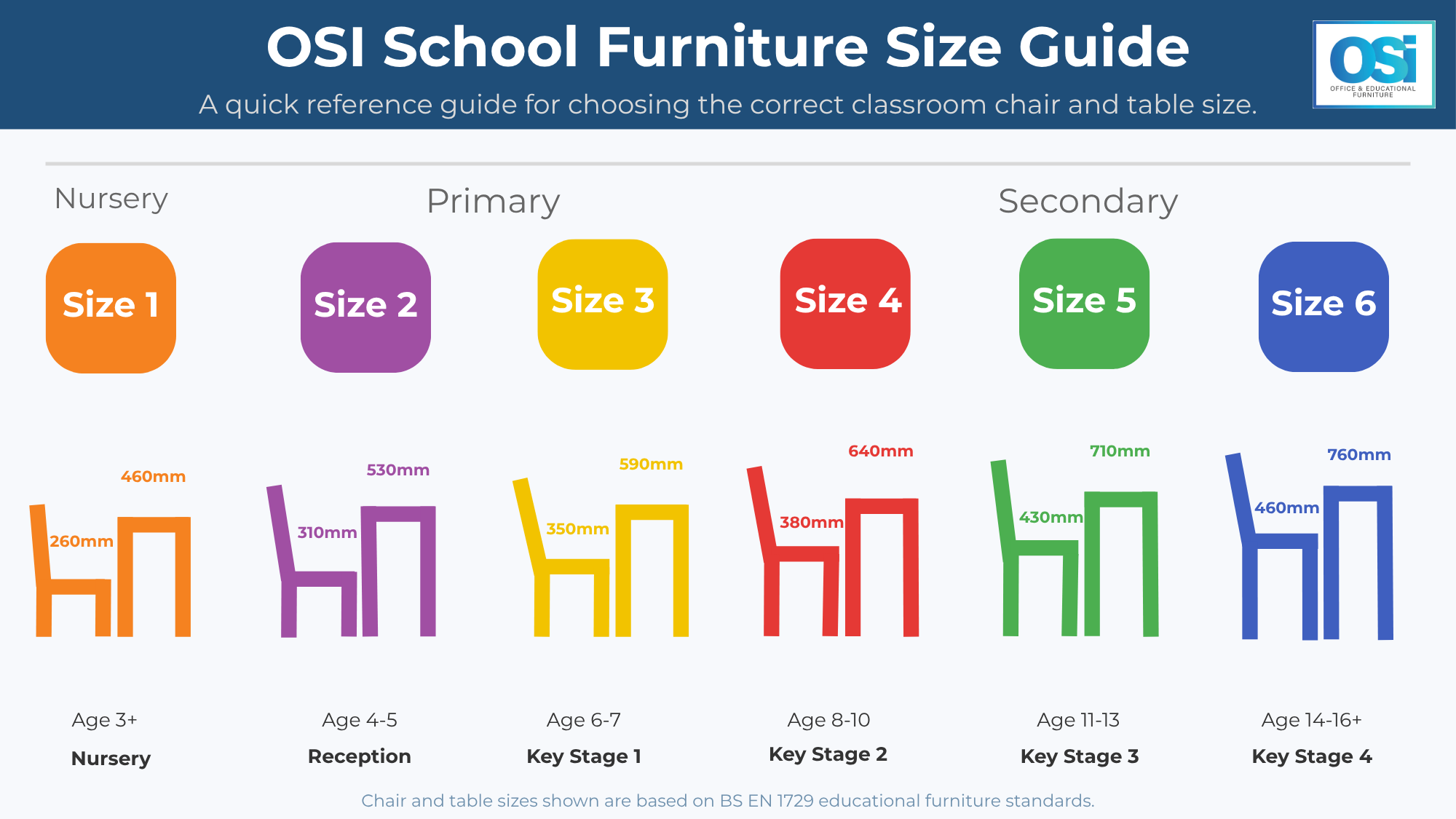
School chair sizes vary depending on the student’s age and height. As a general guide:

  • Nursery: 210–260mm seat height
  • Primary: 310–380mm
  • Secondary: 430–460mm


Refer to EN1729 sizing standards or contact us for personalised  recommendations.
Yes, many school chairs are designed to stack for easy storage and space-saving. Be sure to check how many chairs can be stacked safely and whether a chair trolley is required.

An ergonomic school chair supports proper posture and comfort. Key features include a contoured backrest, suitable seat height, and a stable base. This reduces fidgeting and helps students stay focused.

Absolutely. OSI School Furniture offers sample chairs, allowing you to assess comfort, fit, and style in your actual classroom environment before placing a larger order.

Polypropylene is popular for its durability and easy-clean surface. Metal-framed or wooden options are also available depending on your classroom type and design preferences.

A high-quality school chair should last between 10 and 15 years, depending on the material, usage, and environmental conditions. Chairs made from durable materials like reinforced polypropylene with steel frames typically offer the longest lifespan. Proper maintenance and choosing chairs that meet BS EN 1729 standards can significantly extend their usability. However, heavy daily use, rough handling, or exposure to extreme temperatures may reduce their lifespan.

About The Author

Picture of Tom Dickinson

Tom Dickinson

Tom Dickinson, Managing Director of OSI Office & Educational Furniture, has over 10 years of experience supplying schools with high-quality, purpose-built furniture. His in-depth knowledge of the education sector means he understands exactly what schools need—and delivers on it. Under Tom’s leadership, OSI is committed to quality, innovation, and outstanding service, ensuring every product supports learning, lasts longer, and meets the real-world demands of modern classrooms.