
Creating an effective SEN classroom is about more than just meeting legal requirements — it’s about building a space where every pupil feels supported, safe, and able to thrive. For head teachers, SENCOs, and school staff, this means combining the right teaching strategies, classroom layout, and specialist furniture to meet a wide range of needs, from autism and ADHD to dyslexia and sensory processing difficulties.
In this guide, we’ll explore practical SEN classroom ideas to help you prepare for the new school term, boost engagement, and create a truly inclusive learning environment.
1. Adapt Lessons with Differentiated Instruction
Every SEN classroom should be set up to accommodate multiple learning styles. Differentiated instruction means tailoring lessons so that all pupils can access the curriculum at their level.
Ideas for differentiation:
- Provide multiple formats for learning materials (large print, audiobooks, simplified text)
- Use assistive technology such as text-to-speech readers, visual schedules, and interactive e-book
- Offer manipulatives and hands-on activities like sand trays, counting cubes, and sensory materials
- Adjust assessments with extra time, verbal instructions, or reduced question sets
Tip: Keep a bank of adapted resources ready for quick use when a pupil is struggling to access the standard materials.
2. Use Visual Supports to Reinforce Learning
Visual aids can make instructions clearer and routines easier to follow. They are particularly effective for pupils with autism, dyslexia, or speech and language difficulties.
Examples:
- Visual timetables and daily schedules
- Step-by-step task charts
- Colour-coded subject labels
- Flashcards for vocabulary building
Tip: Place visual schedules at pupil eye level and use consistent symbols and colours across the classroom so routines are instantly recognisable.

SEN CLASSROOM DESIGN
Creating Calm Zones in SEN Classrooms
Calm zones can help pupils feel safe, supported and better able to regulate emotions throughout the school day. In SEN classrooms, dedicated quiet spaces provide opportunities for sensory breaks, independent learning and reduced overstimulation.
Using soft seating, sensory-friendly furniture, muted colours and enclosed reading or relaxation areas can help create more inclusive learning environments for pupils with autism, ADHD, sensory processing needs and other additional learning requirements.
- Soft seating & bean bags
- Sensory-friendly layouts
- Calm lighting & colours
- Quiet reading spaces
3. Create Distinct Learning Zones
An organised classroom helps reduce distractions and supports independence. SEN classrooms often benefit from clear zones for different activities.
Suggested zones:
- Quiet Area: Soft seating, low lighting, and calming colours
- Group Work Table: Space for collaboration and discussion
- Independent Workstation: Minimal distractions for focused tasks
- Sensory Area: Access to tactile, visual, and auditory resources
Tip: Use mobile screens or shelving units to define spaces without making the classroom feel closed in.
4. Design for Sensory Regulation
Sensory-friendly classrooms can help prevent overstimulation and provide comfort for pupils with sensory processing differences.
Furniture and equipment to consider:
- Beanbags or wobble cushions for flexible seating
- Noise-reducing mats or panels
- Adjustable lighting (dimmable lamps or natural light filters)
- Fidget tools and chewable jewellery for sensory breaks
Tip: Offer a “sensory toolkit” in each classroom containing fidget tools, noise-reducing ear defenders, and weighted lap pads so pupils can self-regulate without leaving the room.
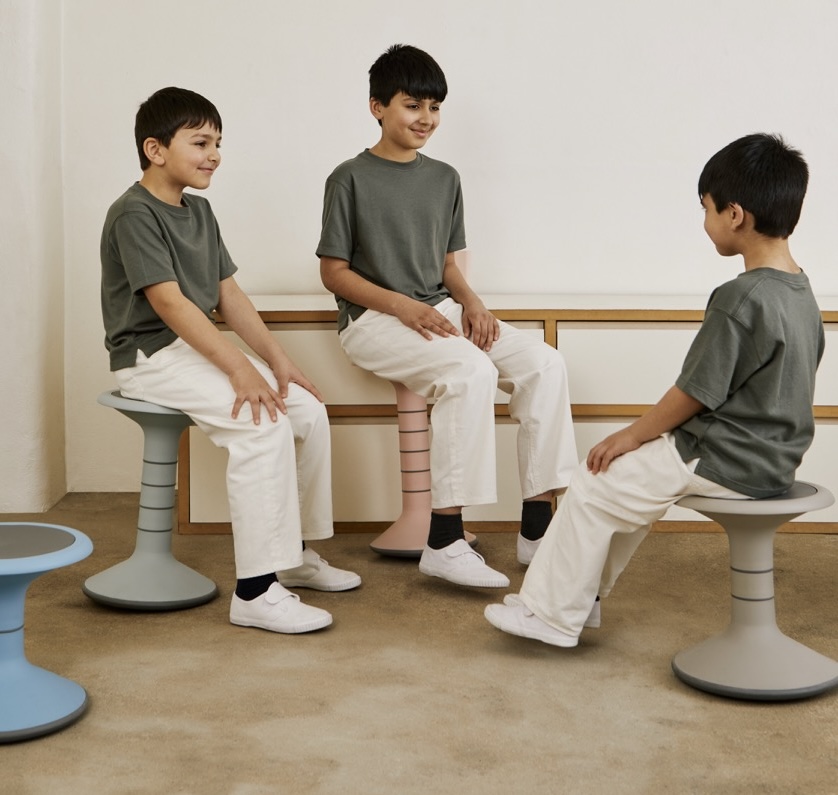
The Ricochet Stool is designed to support natural student movement, helping to keep bodies active and minds engaged throughout the school day. Encouraging gentle fidgeting to aid focus and concentration, it is easy to reposition for flexible learning spaces. With a robust construction built to withstand daily use, the Ricochet Stool is a durable and versatile seating option suitable for learners of all ages.
5. Flexible Seating for Choice and Comfort
Not every child can learn best in a traditional chair at a desk. Offer a mix of seating options to suit different needs and moods.
Ideas:
- Height-adjustable desks for wheelchair users
- Standing desks for movement needs
- Floor cushions for storytime
- Stools or therapy balls for active sitting
Tip: Trial new seating options with a small group first to identify which ones support focus and comfort before investing for the whole class.
6. Clear Rules, Routines, and SEL Support
Structure and predictability help many SEN pupils feel secure. Alongside furniture and layout, teaching practices are key.
Best practices:
- Display classroom rules visually and positively
- Use consistent routines for transitions and lessons
- Teach social and emotional learning (SEL) skills like empathy and self-regulation
- Reinforce positive behaviour with praise and rewards
Tip: Pair written rules with photographs of pupils modelling the expected behaviour to make them relatable and easier to understand.
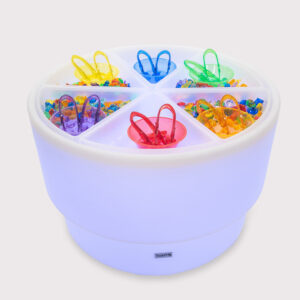
The Discovery Sorting Bundle is a versatile and engaging resource, perfect for encouraging hands-on exploration in early years and primary settings. Designed to inspire curiosity and problem-solving, it offers endless opportunities for children to sort, classify, and explore through play. Its sturdy, high-quality components are built to withstand daily use in busy learning environments, making it a long-lasting addition to your classroom resources.
7. Collaborate with Teaching Assistants
Teaching assistants (TAs) often have deep knowledge of individual pupils’ needs. The physical classroom should support their work.
Furniture to support collaboration:
- Mobile storage trolleys for resources that move between groups
- Extra seating at workstations for one-to-one or small group support
- Quiet corner setups for targeted interventions
Tip: Provide TAs with a mobile resource trolley stocked with intervention materials, allowing them to quickly move between zones without disrupting lesson flow.
8. Follow the Graduated Approach
The Assess, Plan, Do, Review cycle is essential for effective SEN provision. While it’s mainly a teaching framework, your classroom setup should support it.
- Assess: Identify barriers to learning (e.g., physical layout, sensory triggers)
- Plan: Adapt furniture, seating, and resources to address needs
- Do: Implement changes consistently
- Review: Monitor impact and adjust as needed
Tip: Keep a simple “Assess, Plan, Do, Review” wall chart in the staff area to track interventions and progress — it keeps the whole team aligned and accountable.
SEN Classroom Furniture Checklist
✔ Ergonomic, size-appropriate chairs (BS EN 1729 compliant)
✔ Adjustable desks for accessibility
✔ Mobile storage for flexible teaching
✔ Soft seating for sensory regulation
✔ Visual display boards for instructions and schedules
✔ Noise-reducing and sensory-friendly elements
✔ Clearly defined learning zones
Why Choose OSI for SEN Classroom Furniture?
At OSI School Furniture, we understand that every SEN classroom is unique. We supply durable, adaptable furniture designed to support a wide range of learning needs. From ergonomic chairs and adjustable tables to sensory-friendly storage solutions, our products are built for comfort, safety, and flexibility.
Explore our SEN-friendly furniture range or contact our team today for personalised advice ahead of the new school year.
Looking To Upgrade Your SEN Classroom Furniture?
SEN Classroom FAQs
A SEN classroom should include a variety of furniture and resources that meet different learning, sensory, and physical needs. This can include ergonomic chairs, adjustable-height desks, sensory areas, quiet corners, mobile storage, visual supports, and flexible seating options such as beanbags or wobble cushions.
To make a classroom SEN-friendly, focus on accessibility, comfort, and reduced sensory overload. Create distinct learning zones, provide sensory regulation tools, ensure pathways are clear, use visual supports, and offer flexible seating. Choosing durable, adaptable furniture that can be reconfigured helps meet changing needs.
There’s no one-size-fits-all seating arrangement. A mix of seating types works best, including traditional desks, standing desks, soft seating, and independent workstations. Pupils with SEN often benefit from being seated where distractions are minimal and resources are within easy reach.
Support sensory needs by including calming areas with soft lighting, noise-reducing mats, and tactile resources. Offer fidget tools, adjustable lighting, and flexible seating. Sensory tables, weighted lap pads, and colour-coordinated storage can also help pupils regulate their emotions and focus.
Yes. In the UK, school furniture should meet BS EN 1729 standards, which cover functional dimensions, ergonomics, and safety. This ensures chairs and desks are the correct size, comfortable, and safe for everyday use in educational settings.
It’s best to review SEN classroom furniture at least once a year — ideally before the start of a new school term. This ensures the setup still meets pupils’ needs, is in good condition, and complies with safety standards.
