
Sustainability is becoming a key priority for schools, academies, and contractors across the UK — not just as a long-term environmental goal, but as a requirement in procurement, funding, and project delivery.
From DfE guidance to increasing emphasis on ESG policies, schools are now expected to make more responsible purchasing decisions — including when selecting furniture.
But what does sustainable school furniture actually mean in practice?
In this guide, we break down the key factors to consider — from materials and manufacturing through to product lifespan, refurbishment, and end-of-life recycling.
Why Sustainable Furniture Matters in Schools
Sustainable purchasing isn’t just about “being green” — it’s about making smarter long-term decisions.
Choosing the right furniture can help schools reduce environmental impact, improve durability, and meet increasing expectations around ESG and responsible procurement.
For many projects, sustainability is now a key consideration not just for environmental reasons, but also for cost efficiency and long-term value.
Sustainable furniture can help schools:
Reduce environmental impact
Improve durability and reduce replacement costs
Meet procurement and tender requirements
Support ESG and carbon reduction targets
Create healthier learning environments
For larger projects and frameworks, sustainability is often assessed as part of the tender process — making it both a practical and strategic consideration when selecting school furniture.
Materials: What Is Sustainable School Furniture Made From?
The materials used in school furniture play a key role in determining both environmental impact and long-term durability.
Understanding what goes into your furniture helps ensure you’re making responsible purchasing decisions that align with sustainability goals, while also delivering reliable performance in busy classroom environments.
FSC® or PEFC-certified wood
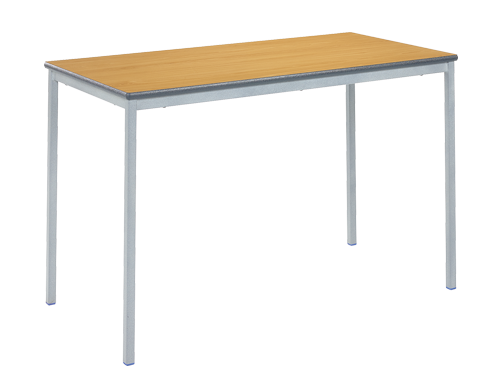
Ensures timber is sourced from responsibly managed forests and is commonly used in classroom tables, storage units, and early years furniture.
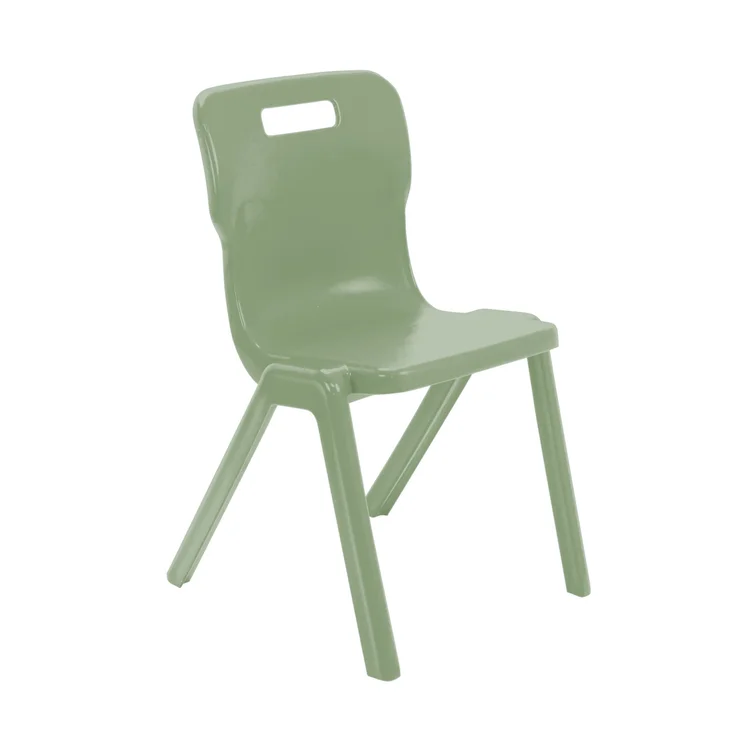
Recycled or recyclable plastics
Widely used in chairs and outdoor products, helping to reduce reliance on new raw materials.
Powder-coated steel frames
Strong, durable, and fully recyclable — ideal for high-use classroom environments.
Low-VOC finishes
Help reduce harmful emissions and improve indoor air quality for pupils and staff.
If a supplier cannot clearly explain where materials are sourced from or how they perform over time, it’s worth questioning the long-term value of the product.
Shop our desks for schools to find out more.
Lifespan: How Long Should School Furniture Last?
One of the most important — and often overlooked — aspects of sustainable school furniture is how long it lasts.
Furniture that needs replacing every few years creates unnecessary waste, increases long-term costs, and adds pressure to budgets. In contrast, well-built classroom furniture can remain in use for 10 years or more, making it a far more sustainable and cost-effective investment.
Durability should always be considered alongside price. Lower-cost products may seem attractive initially, but if they fail under daily classroom use, they quickly become the more expensive option over time.
Key indicators of long-lasting school furniture include:
High-pressure laminate (HPL) tops for improved scratch and impact resistance
Strong steel frames rather than lightweight alternatives
BS EN certification for strength and safety compliance
Manufacturer warranties of 5–20 years
Investing in durable furniture isn’t just about sustainability — it’s about reducing disruption, maintaining standards, and getting better long-term value from your budget.
Repair, Refurbishment & Reuse
Sustainability doesn’t stop at the point of purchase — it’s about extending the life of furniture wherever possible.
Rather than replacing entire classrooms, many schools can significantly reduce costs and environmental impact by repairing, refurbishing, or reconfiguring existing furniture.
Practical ways to extend furniture lifespan include:
Replacing damaged table tops instead of full units
Re-upholstering seating rather than buying new
Reusing storage units across different classrooms
Reconfiguring layouts to suit new teaching styles
This approach not only supports sustainability goals but also forms a key part of effective FF&E planning, where existing assets are considered alongside new furniture to maximise value.
End-of-Life: Recycling & Responsible Disposal
Even the most durable furniture will eventually reach the end of its life — and how it is handled at that stage plays a key role in overall sustainability.
Responsible disposal ensures that materials are reused or recycled wherever possible, reducing landfill waste and supporting wider environmental targets.
When reviewing suppliers, consider whether they:
Offer furniture take-back or recycling schemes
Separate materials such as metal, wood, and plastics for recycling
Divert waste away from landfill
Provide documentation for disposal (useful for audits and ESG reporting)
For schools, academies, and contractors, having a clear disposal strategy can support sustainability reporting and strengthen future procurement and funding applications.
Looking Ahead: Sustainable Furniture at OSI
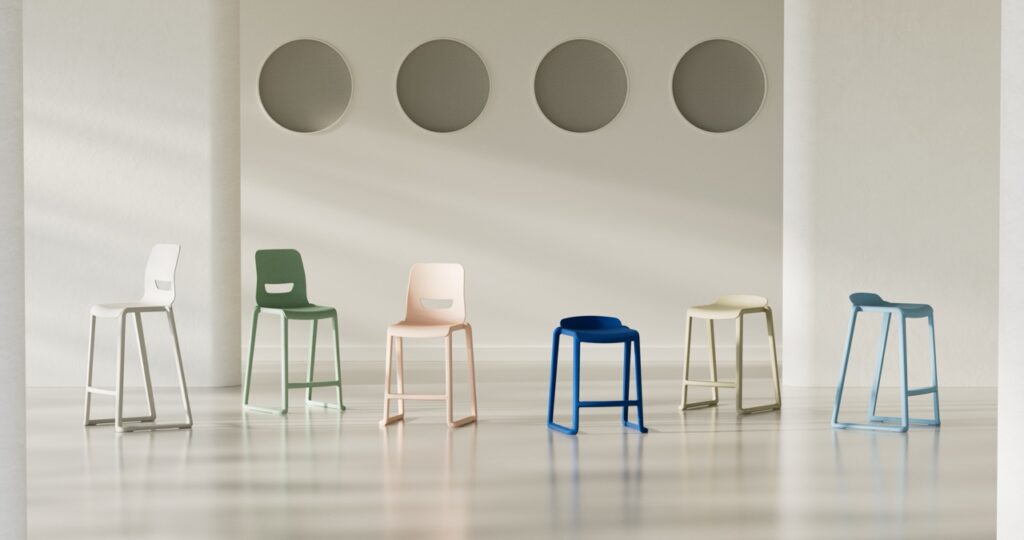
At OSI, sustainability is an ongoing focus across the projects and solutions we deliver.
From material selection and product lifespan through to refurbishment, reuse, and responsible disposal, we aim to support schools in making practical, sustainable decisions that balance environmental impact with long-term value.
We’ll be sharing more insights and project updates over the coming months as part of our continued sustainability journey.
Need Support with a Sustainable Furniture Project?
Whether you’re planning a classroom upgrade, full refurbishment, or a large-scale FF&E project, our team can help you make informed, sustainable choices tailored to your space and budget.
