
Mobile Phone Lockers for Schools
Mobile phones have become one of the biggest challenges facing schools today. While devices can provide reassurance for pupils travelling to and from school, many schools are finding that unrestricted access during the school day can lead to distractions, reduced concentration, safeguarding concerns and increased opportunities for cyberbullying.
Recent Department for Education guidance reinforces the expectation that schools should operate as mobile phone-free environments wherever possible. As a result, schools across the UK are reviewing their policies and looking for practical ways to manage mobile phone use without preventing pupils from carrying devices altogether.
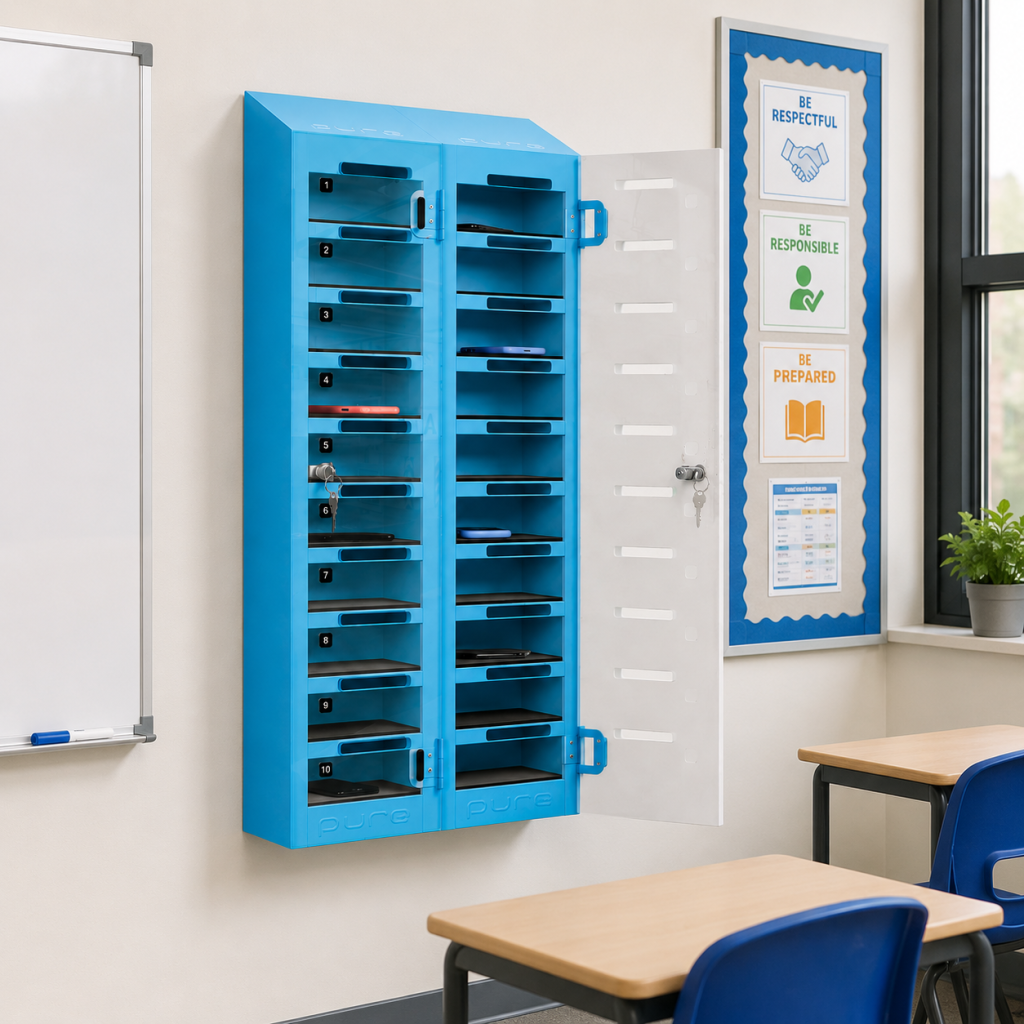
One increasingly popular solution is the use of mobile phone lockers. These secure storage systems allow pupils to safely store their phones throughout the school day, helping schools create calmer, more focused learning environments while still allowing access to devices before and after school.
In this guide, we explore why schools are introducing mobile phone lockers, the options available and how to choose the right solution for your setting.
Why Schools Are Reviewing Mobile Phone Policies
- Reduce classroom distractions
- Improve concentration and engagement
- Support behaviour management strategies
- Reduce cyberbullying and online conflict
- Promote positive social interaction
- Support safeguarding objectives
- Create calmer learning environments
- Align with current DfE guidance
What Does the Department for Education Say About Mobile Phones in Schools?
The Department for Education (DfE) states that schools should be mobile phone-free environments by default, with any exceptions carefully considered by school leaders.
Current guidance recognises that schools may choose from several approaches to manage mobile phone use, including secure storage systems, mobile phone lockers, collection by staff and lockable pouches. The aim is to remove distractions during the school day while still allowing pupils to carry devices where appropriate for travel and safety reasons.
Quote
“Some schools have chosen to use lockers to store mobile phones and other equipment, ensuring that pupils still have access to a device for safety reasons when travelling to and from school. This ensures that any potential distractions from mobile phones are removed entirely during the school day.”
Source: Department for Education
The DfE guidance specifically references mobile phone lockers as one successful method of creating a phone-free learning environment. This approach allows schools to balance behaviour management, safeguarding and pupil safety while reducing the administrative burden placed on teaching staff.
Mobile Phone Lockers
Secure individual storage compartments allow pupils to safely store devices throughout the school day while retaining access before and after school.
Lockable Pouches
Some schools use lockable pouches which remain with the pupil but prevent access to the device until the end of the school day.
Phone Collection Systems
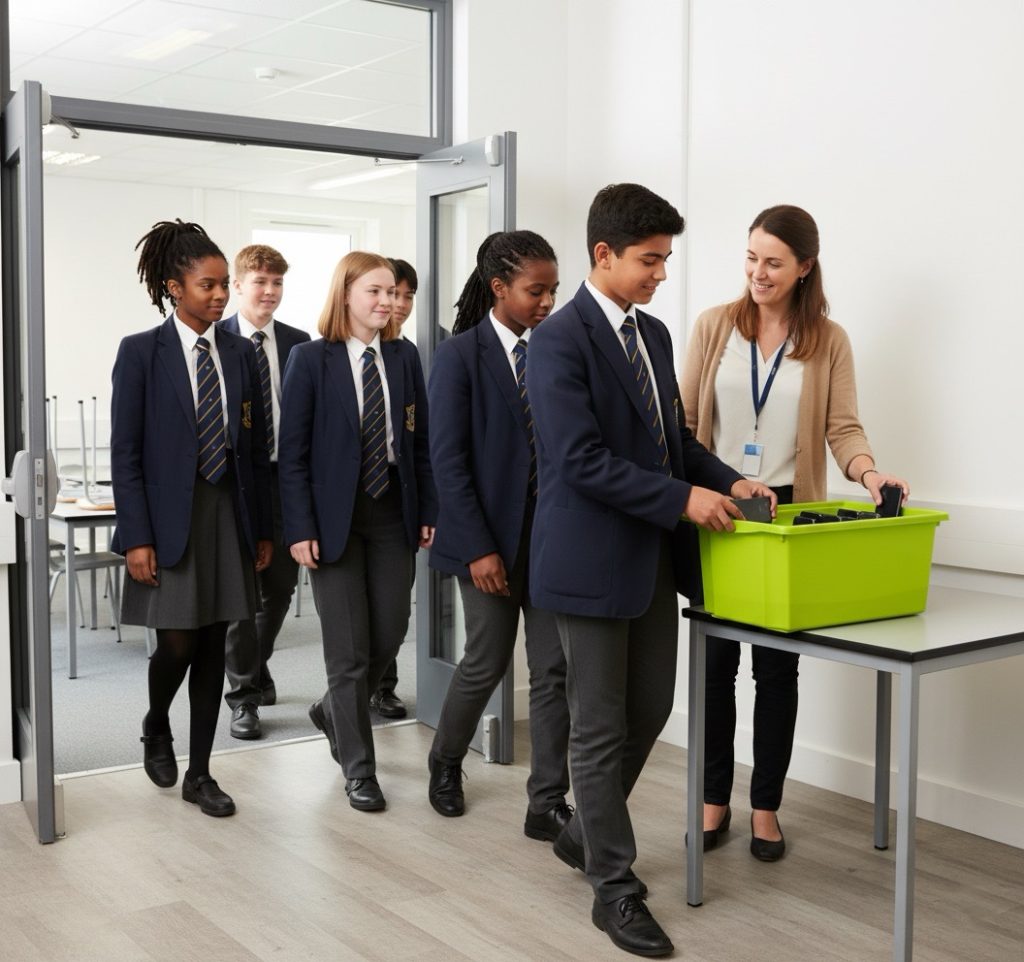
Pupils hand devices to staff each morning and collect them at the end of the day. This can be effective but often requires additional administration.
Why Mobile Phone Lockers Are Becoming the Preferred Solution
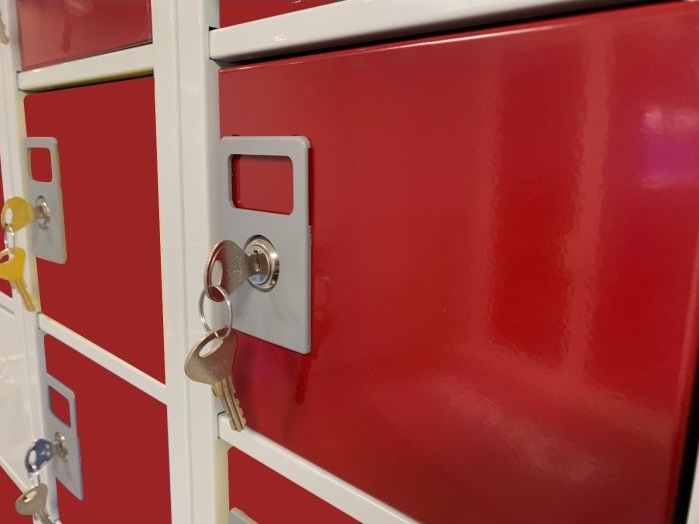
While schools have several options available when implementing a mobile phone policy, many are choosing dedicated mobile phone lockers as a long-term solution. Unlike collection systems or temporary storage arrangements, lockers provide secure, organised storage while placing responsibility with the pupil rather than staff.
Mobile phone lockers also allow schools to maintain a consistent approach across year groups while supporting safeguarding, behaviour management and pupil wellbeing objectives.
Benefits of Mobile Phone Lockers
Secure Storage
Mobile phone lockers provide a dedicated space for students to store valuable devices safely throughout the school day.
Reduced Staff Workload
Unlike collection systems, lockers remove the need for staff to manage hundreds of devices every morning and afternoon.
Improved Learning Environments
By removing access to phones during lessons, schools can reduce distractions and support greater pupil engagement.
Supports School Policies
Mobile phone lockers provide a practical solution for implementing behaviour and safeguarding policies consistently across the school.
Mobile Phone Storage Doesn’t Always Mean Lockers
While dedicated mobile phone lockers are becoming increasingly popular in secondary schools and colleges, some settings prefer a more centralised storage solution.
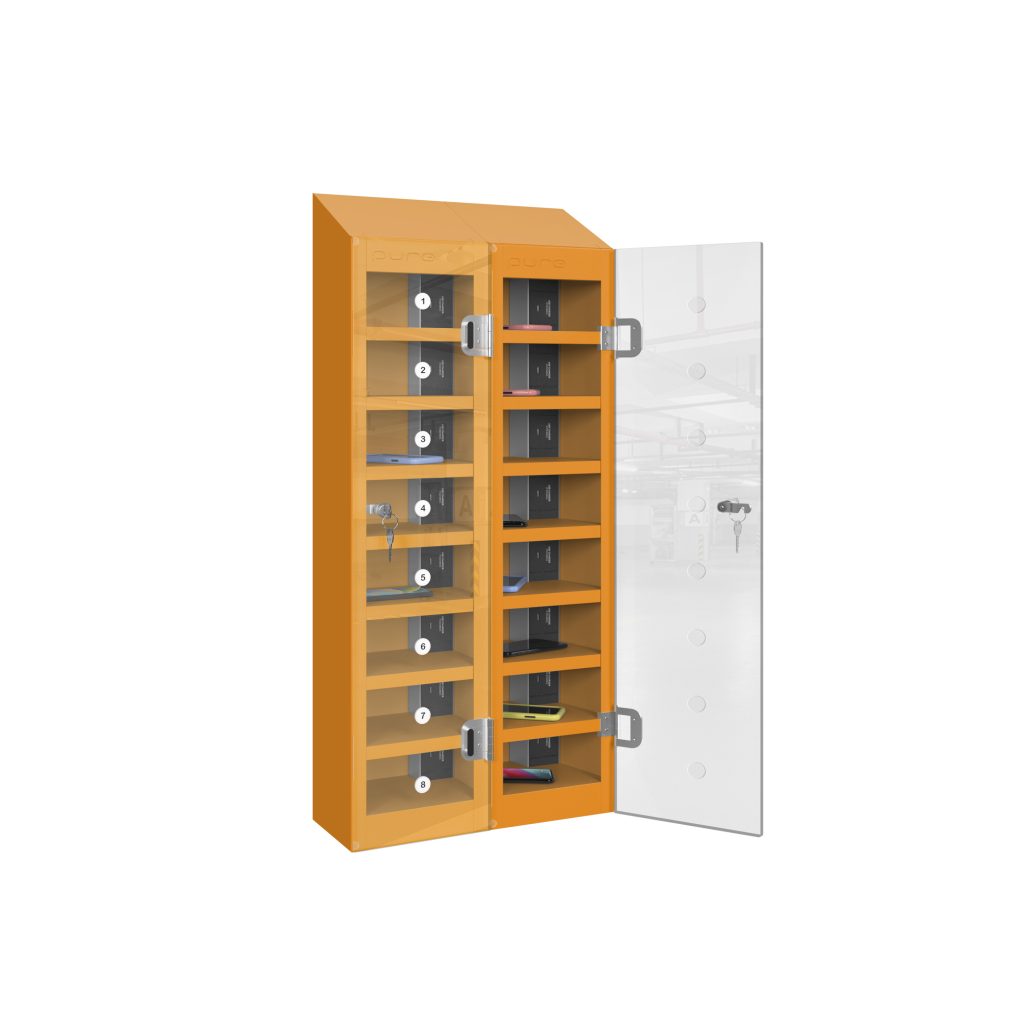
Products such as mobile phone storage units allow staff to securely collect and store devices within classrooms, pastoral areas or reception spaces. These solutions can be particularly effective where phones are collected at the beginning of lessons or where schools operate a supervised storage system.
Both lockers and centralised storage units can help schools reduce distractions, improve classroom focus and support wider behaviour management policies.
Choosing the Right Mobile Phone Storage Solution
The best solution depends on your school’s age range, safeguarding requirements and available space.
For many secondary schools, dedicated mobile phone lockers provide the most secure and practical option, allowing pupils to safely store devices throughout the school day while reducing classroom distractions.
Schools looking for a lower-cost alternative may prefer lockable pouches or supervised collection systems, although these often require additional staff involvement and ongoing management.
When comparing solutions, consider:
- Number of pupils requiring storage
- Available wall or floor space
- Security requirements
- Ease of daily management
- Future expansion requirements
- Compliance with your behaviour policy
A well-planned phone storage system should support safeguarding, minimise disruption and be simple for both staff and pupils to use every day.
Need Advice on Mobile Phone Storage?
Whether you’re implementing a new mobile phone policy or reviewing existing arrangements, our team can help you identify the most suitable storage solution for your school.
We supply a range of mobile phone lockers and secure storage options suitable for primary schools, secondary schools and colleges across the UK.
