
Creating the right environment for pupils with Special Educational Needs (SEN) is about far more than layout — it’s about reducing overwhelm, supporting regulation, and enabling focus.
A well-designed SEN classroom uses carefully selected furniture and zoning to create a calm, structured, and supportive learning space.
In this guide, we’ll walk through:
Key principles of a calming SEN environment
The role furniture plays in sensory regulation
Practical classroom ideas you can implement straight away
Why a Calming SEN Environment Matters
For many pupils, traditional classrooms can feel:
Overstimulating
Noisy and unpredictable
Visually overwhelming
This can lead to:
Reduced concentration
Increased anxiety
Difficulty engaging with learning
A calming classroom helps to:
Promote emotional regulation
Improve focus and engagement
Create a sense of safety and routine
The Role of Furniture in Sensory Learning
Furniture isn’t just functional — it directly impacts how pupils feel, behave, and learn.
The right SEN furniture can:
Reduce sensory overload
Provide safe spaces for regulation
Encourage independence
Support different learning styles
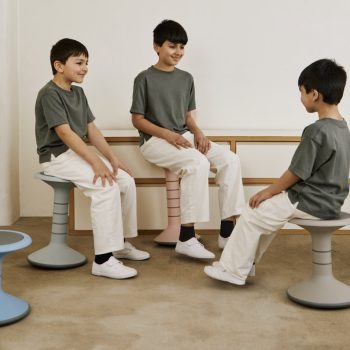
Key Furniture Types for a Calming SEN Classroom
1. Soft Seating & Safe Spaces
Soft seating creates a sense of comfort and security, helping pupils self-regulate.
Ideal options include:
Bean bags
Cushioned chairs
Modular soft seating
Quiet pods or snug areas
These spaces give pupils somewhere to:
Take a break
Calm down
Reset before returning to learning
2. Sensory Tables & Activity Stations
Sensory tables encourage:
Hands-on learning
Exploration
Focus through tactile engagement
They are particularly effective for:
Early years SEN
Autism-friendly environments
Structured play-based learning
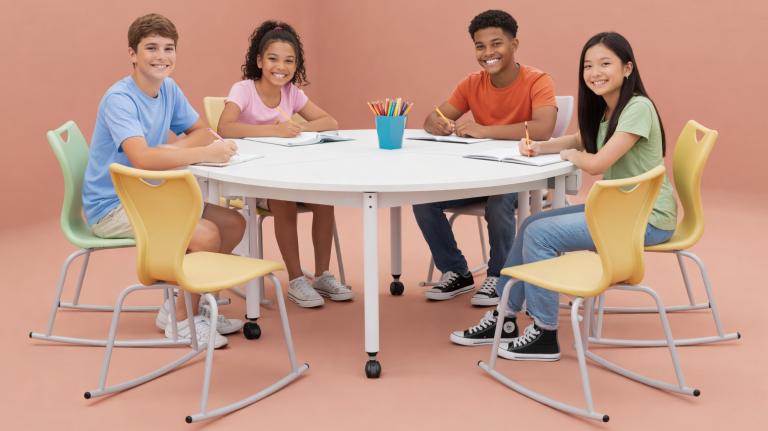
3. Adjustable & Ergonomic Seating
Not all pupils can sit comfortably in standard chairs.
Supportive seating options include:
Height-adjustable chairs
Posture-support seating
Rocking or movement chairs
These help:
Improve posture
Reduce restlessness
Support concentration
4. Storage That Reduces Visual Clutter
Clutter = stress (especially in SEN environments)
Use:
Low-level storage units
Clearly labelled trays
Enclosed cupboards
This creates:
A more predictable environment
Easier transitions between activities
5. Zoning Furniture (Creating Defined Spaces)
Zoning is one of the most powerful SEN strategies.
Use furniture to create:
Quiet zones
Group learning areas
Sensory spaces
Reading corners
Furniture like shelving units, screens, and seating helps define these areas without overwhelming the room.
Take a look at our Millhouse Furniture Zones.
Layout Tips for a Calming Classroom
Alongside furniture, layout is key.
✔ Keep walkways clear
✔ Use neutral colours where possible
✔ Avoid overcrowding
✔ Create consistent layouts
Think: structured, predictable, and calm
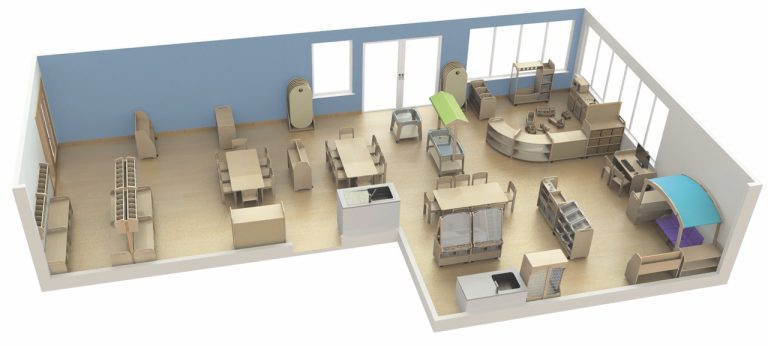
Supporting Different Sensory Needs
Every pupil is different.
Your classroom should allow for:
Quiet retreat spaces
Movement-friendly seating
Hands-on sensory interaction
Low-stimulation zones
Flexibility is essential — your furniture should support a range of needs, not just one approach.
SEN Furniture Solutions for Schools
At OSI, we work with schools to create fully considered SEN environments, not just supply furniture.
We can support with:
Classroom layouts and zoning
Product recommendations
Full FF&E packages
Installation and project support
Final Thoughts
Creating a calming SEN classroom doesn’t require a full refurbishment — small changes in furniture and layout can make a huge difference to pupil wellbeing and engagement.
By focusing on:
Comfort
Structure
Sensory support
…you can transform your classroom into a space where every pupil feels supported.
