Which SEN Seating Is Right for Your Pupils?
Not all SEN seating works the same way. Here’s a quick guide to help you match the right product to your pupils’ needs:
Movement & ADHD Wobble stools and balance seating — like the Ricochet Wobble Stool — allow children to move while staying seated. The gentle movement provides the proprioceptive input that many children with ADHD need to maintain focus, without disrupting the rest of the class.
Posture & Physical Support The Jolly Back range offers targeted postural support for children who struggle to sit upright for extended periods. Available as chairs, floor seating, wedges, and rolls, Jolly Back products are widely used in SEN settings and recommended by occupational therapists.
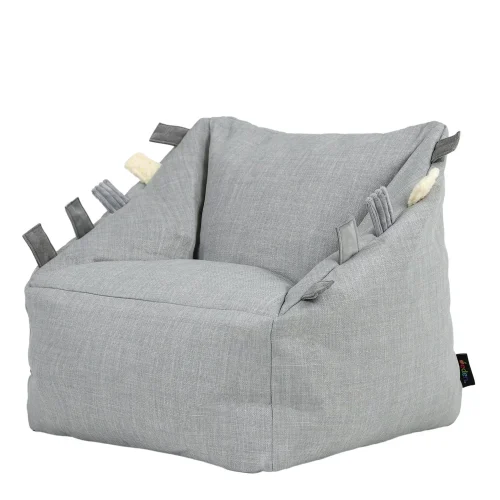
Sensory Regulation & Autism Children on the autism spectrum often benefit from seating that provides consistent sensory feedback or a clearly defined personal space. The EN Rock Chair’s gentle rocking motion supports self-regulation, while high-backed options like the Roku range provide a contained, calm seating environment for pupils who are easily overstimulated.
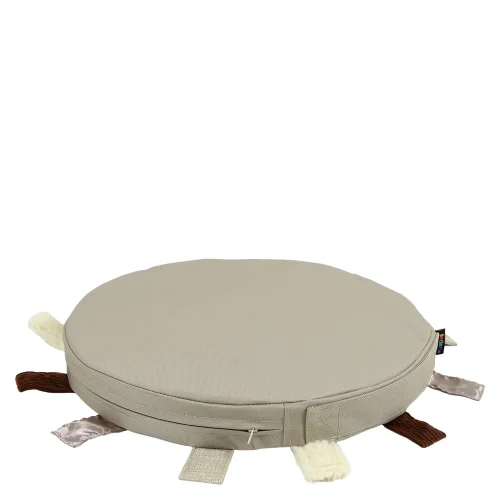
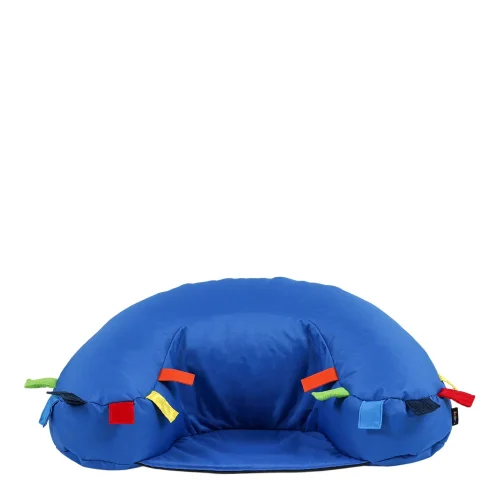
Floor-Based Learning For early years SEN settings or classrooms that incorporate floor-based activities, floor chairs and kneeling mats provide supported alternatives to standard seating — particularly useful for pupils with low muscle tone or who find conventional chairs uncomfortable.
Need help choosing? Our team is happy to advise — get in touch or explore our SEND furniture solutions.
Frequently Asked Questions: SEN Seating for Schools
What is the best seating for children with ADHD? Wobble stools and balance seating are widely recommended for children with ADHD. The subtle movement they allow satisfies the need for physical stimulation without being disruptive, helping children stay focused on tasks. The Ricochet Wobble Stool is a popular, cost-effective choice for primary and secondary classrooms.
What seating helps children with sensory processing disorder? Children with sensory processing disorder often benefit from seating that provides consistent, predictable sensory input. Wobble stools and rocking chairs offer gentle proprioceptive feedback, while high-backed or enclosed seating can help reduce sensory overload in busy classrooms. Posture rolls and wedge cushions are also commonly recommended by occupational therapists.
What is a Jolly Back chair and who is it for? The Jolly Back chair is a specialist posture chair designed to support children who struggle to maintain an upright sitting position. It encourages active sitting through its curved base, helping to strengthen core muscles while providing back support. It’s widely used in SEN settings for children with low muscle tone, hypermobility, dyspraxia, and other physical support needs. The Jolly Back range also includes floor chairs, wedges, rolls, and kneeling mats.
Is wobble seating suitable for all SEN pupils? Wobble seating works well for many pupils but isn’t appropriate for everyone. It’s particularly effective for children with ADHD or those who need proprioceptive input to focus. However, children who require significant postural support or have physical disabilities may need a more structured seating solution. If you’re unsure, our team can advise based on your pupils’ needs.
What’s the difference between a wobble stool and a balance chair? A wobble stool allows movement in all directions from a standing or perching position, making it ideal for active children who find it hard to stay still at a desk. A balance chair (like the Jolly Back) supports seated posture more directly, with a curved or angled base that encourages core engagement while the child remains fully seated. Both provide sensory benefits but suit different needs.
Can SEN seating help with autism? Yes. Many children on the autism spectrum benefit from seating that reduces sensory overload or provides calming proprioceptive input. High-backed chairs, enclosed seating, and rocking chairs can all help create a predictable, contained sensory environment. We’d always recommend involving a SENCO or occupational therapist in selecting the right option for individual pupils.
Do you offer advice on setting up an SEN classroom? Yes — our SEN classroom ideas guide covers layouts, furniture choices, and sensory considerations for inclusive classroom design. You can also contact our team directly for project-specific advice.