
School Desks Explained
A practical guide to choosing the right school desks and classroom desks for modern learning spaces, including collaborative classrooms, SEN environments, flexible learning and traditional classroom layouts.
From traditional rectangular desks to collaborative classroom furniture and flexible learning layouts.
Traditional Rectangular School Desks
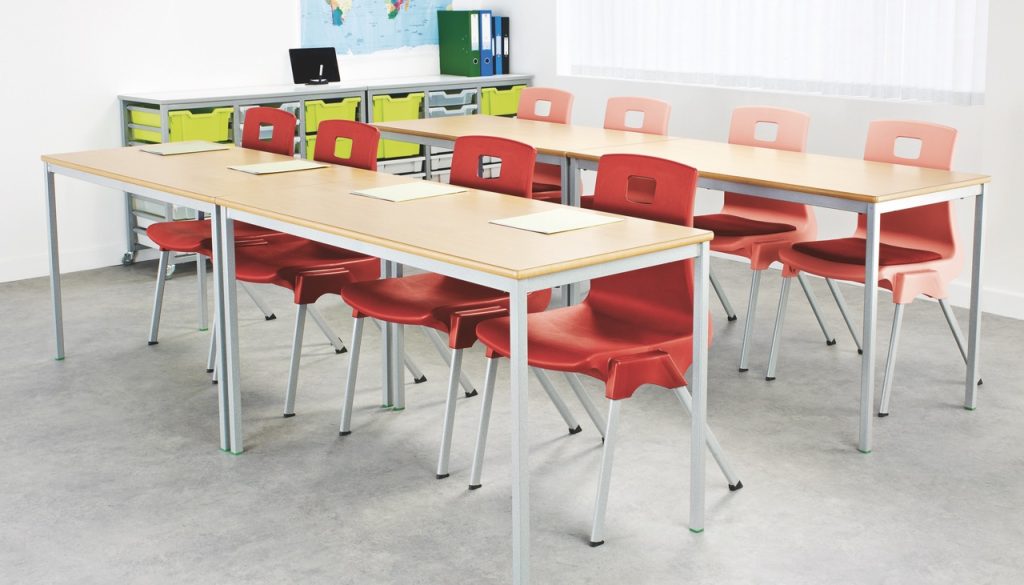
Traditional rectangular school desks remain one of the most popular choices for classrooms across primary, secondary and further education environments. Their structured layout supports focused learning, clear classroom organisation and efficient use of space.
Rectangular classroom desks are especially effective for exam environments, teacher-led learning and classrooms where consistent seating arrangements are important. Their simple layout also allows schools to maximise pupil capacity while maintaining good visibility and circulation around the room.
Modern school desks are now available in a wide range of finishes, heights and storage options, making them suitable for everything from early years classrooms through to sixth form and college environments.
Collaborative Classroom Desks
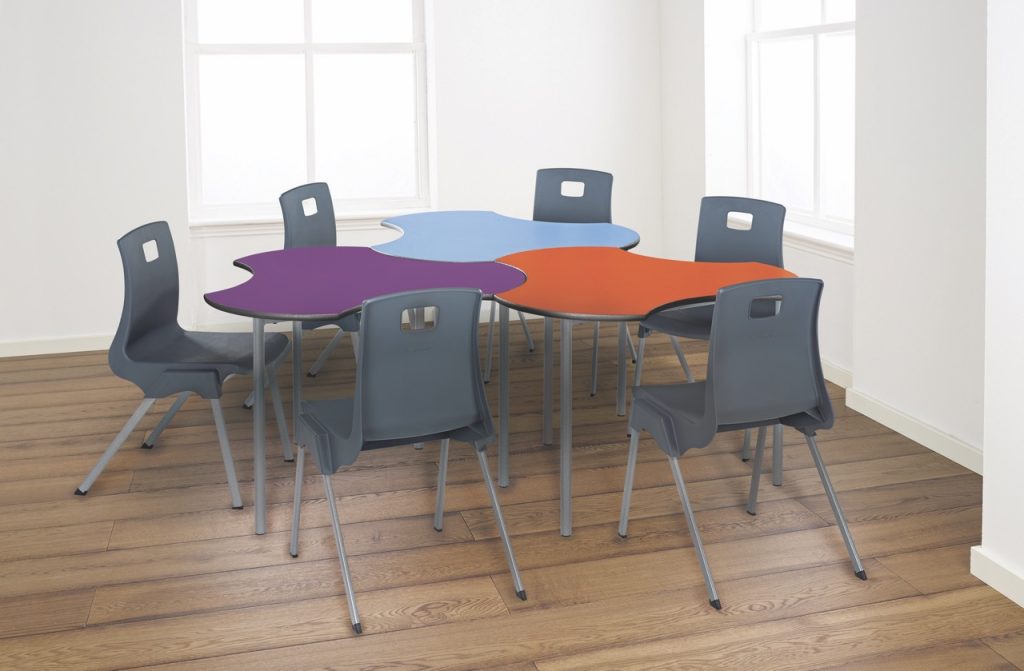
Modern classrooms are increasingly moving away from rigid row layouts and towards more collaborative learning environments. Collaborative classroom desks are designed to encourage teamwork, communication and flexible teaching styles, helping schools create spaces that support active learning.
Modular desk shapes such as connect desks, trapezoidal desks and segga classroom tables allow teachers to quickly adapt layouts for group activities, project work and collaborative teaching. These flexible layouts are especially popular in primary schools, modern secondary classrooms and multi-use learning spaces.
Furniture ranges such as Metalliform Segga and Connect classroom desks demonstrate how modern school furniture can support different learning styles while still maintaining durability, practicality and effective classroom organisation.
Collaborative classroom desks can also help create a more engaging learning environment, encouraging pupil interaction while giving schools greater flexibility to adapt spaces throughout the school day.
Popular Collaborative Desk Configurations
Flexible classroom desk layouts allow schools to quickly adapt learning spaces for different teaching styles, group sizes and classroom activities. Collaborative desk configurations are increasingly popular in modern primary schools, secondary classrooms and inclusive learning environments where adaptability and pupil interaction are important.
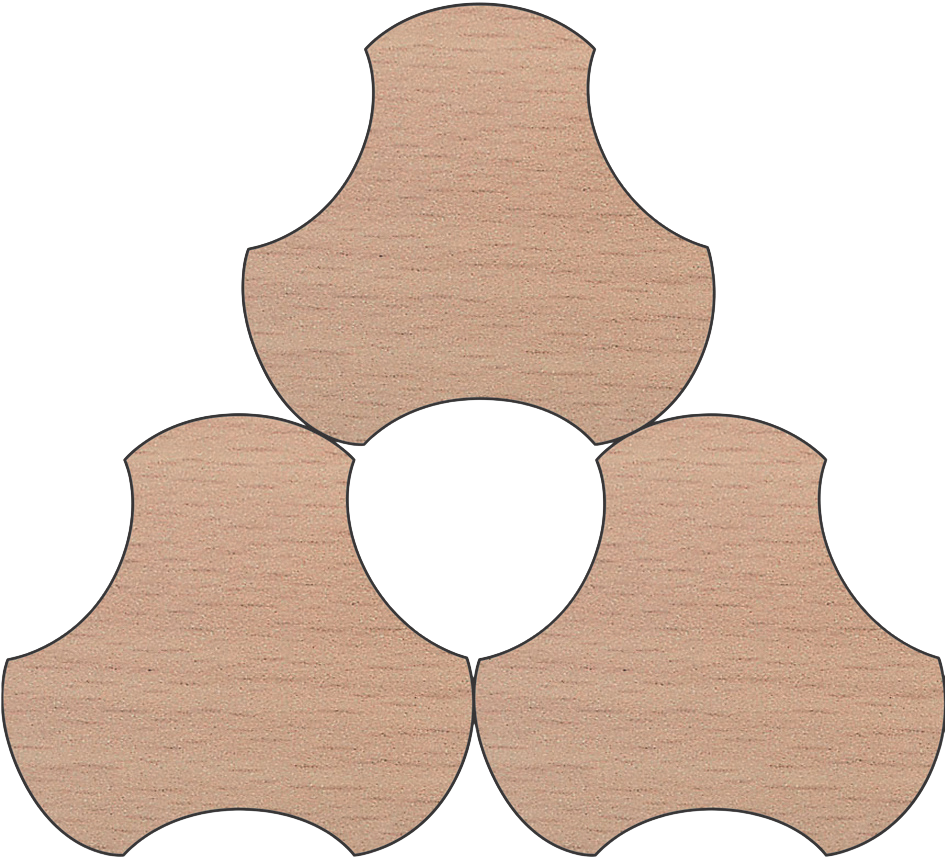
Collaborative Circular Desk Layout

Linear Collaborative Learning Layout

Flexible Paired Classroom Desks
School Desks for SEN & Inclusive Learning
Modern classroom design is increasingly recognising that pupils learn in different ways, and classroom desks now play an important role in creating inclusive learning environments. Flexible desk layouts, collaborative seating arrangements and adaptable classroom furniture can all help schools support a wider range of learning needs.
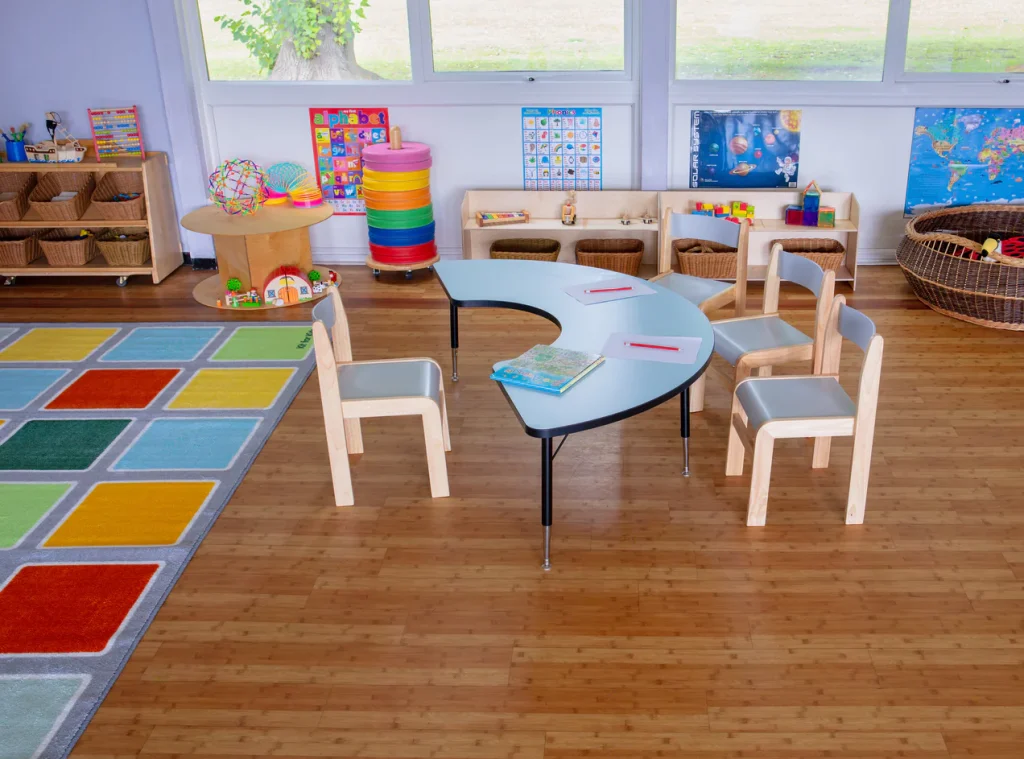
In SEN classrooms and inclusive learning spaces, desk arrangements are often designed to reduce classroom anxiety, improve circulation and create calmer, more structured environments. Group learning tables, curved classroom desks and breakout learning areas can help support communication, concentration and pupil engagement.
Schools are also increasingly combining traditional classroom desks with softer breakout spaces, reading corners and collaborative learning zones to create more adaptable learning environments that support both focused and interactive learning styles.
Choosing the right school desks is no longer only about maximising classroom capacity — it is also about creating spaces where pupils feel comfortable, supported and able to engage confidently with learning.
Key Considerations for Inclusive Classroom Design
- Flexible layouts
- Clear circulation space
- Adaptable furniture
- Collaborative learning
- Calm learning environments
Choosing School Desks by Age Group
Different age groups require different classroom desk sizes, layouts and learning environments. Choosing the right school desks helps improve comfort, posture, classroom organisation and pupil engagement throughout the school day.
Early Years
Early years classrooms often benefit from collaborative tables, circular layouts and flexible learning zones that encourage interaction, creativity and movement throughout the day.
Primary Schools
Primary classroom desks should balance structured learning with collaborative flexibility, allowing teachers to quickly adapt classroom layouts for different activities and teaching styles.
Secondary Schools
Secondary school desks are often designed for durability, classroom efficiency and subject-specific learning, with layouts that support both independent and group work.
Sixth Form & Colleges
Further education spaces increasingly use flexible classroom furniture, collaborative desks and modern learning layouts that support independent study and adaptable teaching environments.
Frequently Asked Questions
Schools are increasingly looking for classroom desks that support flexibility, durability and modern learning environments. Below are some of the most common questions schools ask when choosing school desks and classroom furniture.
What are the best desks for modern classrooms?
Modern classrooms often benefit from flexible classroom desks that support both independent learning and collaborative activities. Modular classroom desks, collaborative tables and adaptable layouts are increasingly popular in schools looking to create more engaging learning environments.
What is the difference between school desks and classroom tables?
School desks are typically designed for individual pupil use, while classroom tables are often used for collaborative learning, group work and flexible classroom layouts. Many schools now combine both styles within the same learning environment.
Are collaborative classroom desks suitable for primary schools?
Yes. Collaborative classroom desks are particularly popular in primary education, where group learning, interaction and adaptable classroom layouts can help support different teaching styles and pupil engagement.
What classroom desks work best for SEN environments?
SEN and inclusive learning environments often benefit from flexible layouts, collaborative tables, calm learning spaces and adaptable classroom furniture that supports circulation, comfort and different learning needs. Horseshoe design have proven particularly effective in SEN environments.
How long should school desks last?
High-quality school desks are designed for long-term daily use and can last for many years when properly maintained. Durable classroom furniture is especially important in busy educational environments where furniture is used continuously throughout the school day. For long lasting desks, choose a Duraform Spray PU Edge.
Planning a Classroom Refurbishment?
Whether you’re creating a traditional classroom layout, collaborative learning space or inclusive SEN environment, choosing the right classroom desks can make a significant difference to how pupils learn and interact within the space.
